Housewarming gift: 12 ideas that actually get used
You've been invited to a housewarming and you need a gift that isn't yet another photo frame, the scented candle nobody lights, or the plant that will die in two weeks. A housewarming gift should be something the person uses, enjoys and is grateful for months after receiving it. It sounds simple, but the usual lists online are full of filler: things that look good in the article photo and bad in a real home.
This guide is different. Here you'll find 12 specific, tried-and-tested ideas that work in any kind of home and for any type of host. No filler, none of the typical "pretty gifts" that nobody then knows where to put. Only pieces that fill real gaps in a brand-new home.
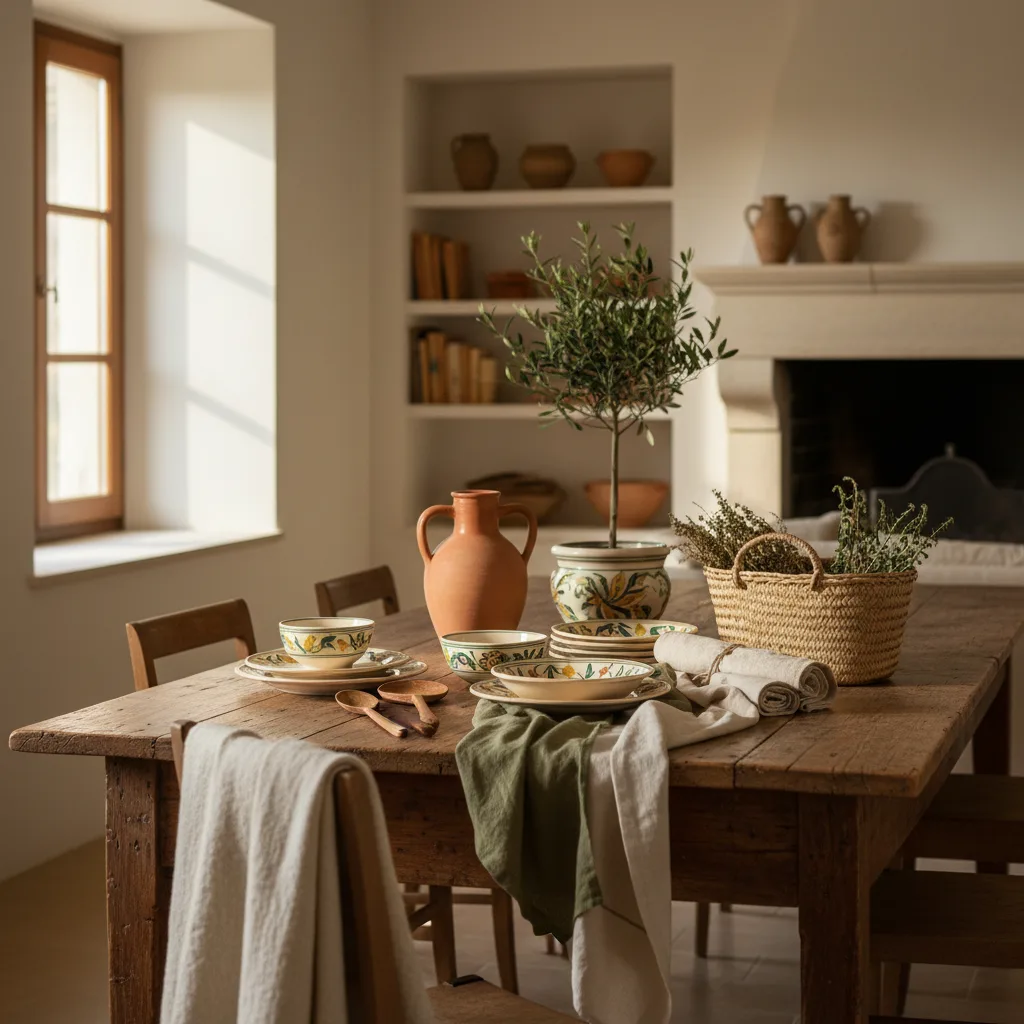
Why getting the housewarming gift right is so hard
Buying a gift for a housewarming isn't like buying a birthday present. For a birthday you can lean on personal tastes, on whims, on something useless but funny. But when you buy for a new home, you're stepping into someone else's territory: a space that person is building with their own aesthetic judgment, their priorities and a budget already pretty tight after the move.
That explains why so many housewarming gifts fail. The picture that doesn't match the wall. The vase that fits with nothing. The spice set the recipient already had. The throw that doesn't go with the sofa. Even with the best intentions, it's easy to get it wrong when you don't know exactly what the new space will be like.
The secret is to give pieces that meet three conditions at once: neutral enough to fit any decorative style, of high enough quality not to look like an obligatory gift, and usable day to day, not just admired. When an object meets those three conditions, it always works. And, oddly enough, you won't find that kind of piece in bargain shops or in the big chains where everyone ends up looking.
What to look for (and what to avoid) in a gift for a new home
Before we go through the 12 ideas, it's worth being clear about the criteria that separate a gift that's appreciated from one that's merely tolerated.
What works
Pieces with a double function are almost foolproof: a bowl that serves as a centrepiece and as a fruit bowl, a tray that organises and decorates, mugs used every day that also look good on display. Natural materials —ceramic, glass, wood— convey quality without needing any explanation. And neutral tones with a touch of design (an organic shape, a terracotta colour, a matte finish) adapt to any home without imposing a style.
What doesn't work
Avoid gifts that are too personal if you don't know the person's decorative taste well. A figurative picture, a lamp with a very pronounced style or textiles with bold prints are risky bets. It's also wise to steer clear of the purely ornamental that serves no function: those objects that only take up shelf space end up in the storage room or at the second-hand market before the year is out.
| Criterion | Right choice | Common mistake |
|---|---|---|
| Function | Piece used every day | Ornament with no practical use |
| Style | Neutral with character (shape, texture, material) | Very pronounced (ethnic, industrial, kitsch) |
| Material | Ceramic, glass, wood, linen | Plastic, synthetic, MDF |
| Size | Medium, easy to place | Very large (where do I put it?) |
| Presentation | Thoughtful, with a box or wrapping | Plastic bag from the shopping centre |
The 12 housewarming gift ideas that really work
A large ceramic bowl
The large bowl is the most underrated housewarming gift. It seems like nothing until you place it on a worktop with fruit, on a table as an improvised centrepiece, or on a sideboard with keys and small objects. It's a piece that solves three functions at once and, if it has a thoughtful design —an organic shape, a textured glaze, a warm tone—, it effortlessly elevates any corner of the home.
Ceramic is the material that works best here: it conveys warmth, weighs just enough not to seem fragile, and ages well. A matte ceramic bowl of Italian design isn't something the person would buy for themselves while they're paying for furniture and appliances, and that's why it works so well as a gift.
A decorative tray
If I had to pick a single housewarming gift for anyone, it would be a decorative tray. It's the ultimate wild card. In the entryway, it organises keys, glasses and wallet. On the kitchen worktop, it creates a coffee corner with the coffee maker and mugs. On the coffee table, it gathers candles and small objects. At a dinner, it presents cheeses or appetisers. There's no home where it doesn't fit.
The key is to choose a tray with a certain presence: a material that feels good to the touch (ceramic, metal with a matte finish, solid wood), a medium size that's neither tiny nor cumbersome, and a design that doesn't compete with the rest of the décor but tidies it up. If you want to explore more ways to use it, our guide on 5 non-obvious uses for decorative trays has ideas that probably hadn't occurred to you.
A centrepiece that doesn't look like a centrepiece
The trick to giving a centrepiece is for it not to look like a classic centrepiece. No artificial floral arrangements, no fussy compositions. What works is a simple sculptural piece —a low glass bowl, a flat textured tray, an open ceramic bowl— that the person can use as it is or fill with whatever they like: seasonal fruit, candles, stones.
This kind of piece meets a real need: an empty dining table looks sad, but decorating it without falling into the obvious isn't easy. Giving the base piece means giving the host the structure without imposing the style. If you'd like to dig deeper into the choice, the article on how to choose the perfect centrepiece for your dining room gives you the criteria you need.
A set of mugs with personality
Mugs are one of those objects that everyone needs when they move and that almost nobody buys with any thought. People end up using the ones from their previous flat, the ones they got at the office, or the ones that came in a supermarket pack. That's why a set of well-designed ceramic mugs is a gift that surprises: it's useful from day one and turns something as everyday as the morning coffee into a small ritual with aesthetic appeal.
Look for mugs with a detail that makes them different —a shaped handle, an unusual colour, a reactive glaze— but that remain comfortable to use every day. Italian ceramic collections tend to achieve that balance between personality and functionality that industrial pieces never reach.
A vase that works empty
Giving a vase may seem risky, but there's a trick: choose one that looks good without flowers. Current décor trends value decorative vases as sculptural pieces that work on their own, with no need to be filled. A white ceramic vase with an organic shape, for example, is a piece you place on a shelf, on a sideboard or by the entrance, and it elevates the space while asking for nothing in return.
The material matters more than the size. Matte ceramic conveys warmth. Blown glass adds lightness. Avoid vases that are too tall or with very pronounced shapes —the more neutral it is, the more easily it will fit into a space that's still being defined. If you want to compare options, the guide on ceramic vs glass vases will help you decide.
A cutting board in fine wood
It's not the most glamorous gift, but it's one of the most appreciated. A solid wood cutting board —olive, acacia, beech— with good thickness and a thoughtful design is a piece used every day, that lasts for years and brings warmth to any kitchen. Plus, beautiful boards have a second life: they serve as a base to present cheeses, cured meats or bread when guests come over.
The detail lies in stepping away from the industrial format. A board with an irregular shape, with the natural edge of the wood or with a subtle engraving conveys something that supermarket plastic boards will never achieve: the sense that someone put thought into the gift.
A large salad bowl that also decorates
The decorative salad bowl is the useful gift nobody buys for themselves. Everyone needs one, but when moving, the pan, the pot set and the basic dinnerware take priority. That's why giving a well-designed ceramic salad bowl fills a real gap. It's used to serve salads, pasta, fruit, or even as a large display bowl on the table.
Choose pieces with a generous diameter (from 25 cm upwards) and a design that invites leaving it on display. A salad bowl that goes back in the cupboard after each use is a missed opportunity. The best ones are those that stay on the worktop or table because, even empty, they're still beautiful.
A set of cloth napkins
Cloth napkins are an everyday luxury most people don't allow themselves when they're spending on the essentials of a move. A set of four or six good-quality linen or cotton napkins in a neutral tone (off-white, stone grey, terracotta) is a gift that elevates every meal without taking up space and without imposing a style. They also send a message that connects with Mediterranean hospitality: here, people eat well and care about the details.
Linen is the star material: it wrinkles naturally without looking unkempt, softens with every wash, and ages better than any synthetic fabric. Avoid bold prints or colours that limit combinations with the existing dinnerware.
A fruit bowl with design
The fruit bowl is one of those pieces every home needs from day one. And yet, most people end up with the wire fruit basket from the bargain shop or any old bowl they're not happy with. Giving a ceramic fruit bowl with a thoughtful design means giving someone a piece they'll literally use every day and that, along the way, decorates the kitchen or dining room.
Footed fruit bowls —low compote style— are the ones that work best as a gift because they have a visual presence that justifies always leaving them on display, even when there's no fruit on them. They're the functional equivalent of a centrepiece, but with a usefulness no one disputes.
Italian footed ceramic fruit bowl
Premium extra virgin olive oil
If you don't know the person's decorative taste well, a good extra virgin olive oil with thoughtful presentation is a safe refuge. It's not exactly homeware, but it connects with the same philosophy: quality over quantity, an authentic product, something enjoyed day to day. Bottles of artisanally produced Italian or Spanish olive oil, with designed labels, look good on any worktop and are used up without leaving a trace.
The trick is for the presentation to be up to the mark: a beautiful bottle, a box, perhaps paired with a tea towel or a little plate to rest it on. What turns a supermarket product into a thoughtful gift is the curation of the whole.
A set of design coasters
Coasters are a small gift —perfect if the budget is tight or if you want to complement another main gift— but surprisingly useful in a new home. Tables without glass rings, protected surfaces, and if they also have a design that adds something (textured ceramic, marble, pressed cork), all the better. They're one of those objects people never buy for themselves but are glad to have.
A set of four or six coasters in a fine material, with a little box or stand, is a touch that says: "I thought about the practical, not just the showy." Combined with another gift from the list —some mugs, a tray— it forms a complete set without blowing the budget.
A piece for serving appetisers
When someone moves into a new home, the first thing they do is invite friends and family to see it. And at that moment they need something to serve —some olives, some nuts, some tapas. A set of small appetiser bowls, a slate board to present cheeses or a plate with compartments solves that first housewarming dinner and all the ones to come.
This kind of piece connects directly with the idea of hospitality: it's not just an object, it's a tool for hosting well. Italian homeware pieces, for example, are designed from that philosophy of the table as an act of affection. Giving something that helps the person be a better host in their new home is a touch that's appreciated far more than it seems.
⚠ PRODUCT_CARD sin match — A stylish appetiser serving set: because the first dinner in a new home deserves a presentation to match.
How much to spend on a housewarming gift
The budget question always comes up. There's no magic figure, but there are useful reference points depending on your relationship with the host.
| Relationship | Suggested range | Type of gift |
|---|---|---|
| Close friend / family | €30–€60 | A homeware piece with character or a combination of two pieces |
| Colleague / acquaintance | €15–€30 | A functional touch: coasters, mugs, premium oil |
| Couple of friends (joint gift) | €50–€90 | A standout piece: centrepiece, salad bowl, full set |
What matters isn't the amount but the feeling the gift conveys. A €25 Italian ceramic piece with thoughtful presentation can seem more valuable and more considered than a €60 object bought in a hurry at a big-box store. Character and presentation multiply perceived value.
If you're looking for specific options under €50, the guide on gifts for a new home under €50 has ideas that complement these.
Presentation matters more than you think
A good housewarming gift loses half its effect if it arrives in a plastic bag from the shopping centre. The presentation doesn't have to be lavish, but it should be thoughtful: kraft paper, a simple box, a natural fabric ribbon. What it conveys is that the gift was chosen with intention, not bought in a rush.
Italian homeware brands like Brandani often include their own packaging —designed boxes, wrapping that's part of the experience—, which saves the step of hunting for wrapping separately. It's a detail that seems minor but that, in practice, makes the difference between a gift opened with curiosity and one opened out of obligation.
If the gift is to be sent directly to the new address because you can't attend the housewarming, make sure the shipment includes presentation. Few things are less fortunate than an unwrapped gift arriving in a brown shipping box.
Quick checklist before buying
- Can it be used day to day, not just looked at?
- Does it fit any decorative style (neutral but with character)?
- Does the material convey quality (ceramic, glass, wood, linen)?
- Is it not something the person probably already has?
- Is the presentation thoughtful?
- Does it have a story behind it (origin, design, brand) that you can tell when you hand it over?
Complementary pieces for a housewarming gift that broaden the options in this article.
Frequently asked questions about housewarming gifts
What do you bring to a housewarming? The smartest choice is a functional piece that also decorates: bowls, trays, vases, well-designed tableware. Avoid purely ornamental gifts that have no practical use. If you don't know the host's tastes well, neutral materials (ceramic, glass, wood) and warm tones are safe bets.
Is it rude to ask what they need? Not at all. In fact, many people who have just moved appreciate being asked. But if you'd rather surprise them, functional homeware and décor pieces are the safest option because they meet real needs without imposing a decorative style.
How much should you spend on a housewarming gift? It depends on your relationship with the host. For a close friend or family member, between €30 and €60 is a common range. For a colleague or acquaintance, between €15 and €30. What matters is that the gift feels thoughtful, not that it's expensive.
Can you give kitchen homeware as a housewarming gift? Yes, and it's one of the most appreciated gifts. Mugs, bowls, trays and serving pieces are used from day one. The key is choosing well-designed pieces —not the generic supermarket ones— so the gift has that touch of detail that sets it apart.
What housewarming gift works if I don't know the host's tastes? Neutral tones, organic shapes and natural materials work in any kind of home. A white ceramic bowl, a wooden tray or a blown-glass vase are pieces that fit Nordic, Mediterranean, modern or classic décor without clashing.
Related articles you might find interesting:
- Gifts for a new home under €50 — ideas on a limited budget
- Original wedding gift: what Italians give — another occasion where homeware works
- Decorative salad bowl: the useful gift nobody buys — a deeper look at one of the ideas
- How to choose the perfect centrepiece for your dining room — criteria for getting this piece right
Mini checklist SEO:
- Keyword en H1 y en primeras 120 palabras
- Slug correcto (sin mayúsculas ni tildes, guiones)
- Meta title máximo 60 caracteres (49 caracteres)
- Meta description 145-160 caracteres (152 caracteres)
- 5-8 enlaces internos sugeridos (7 enlaces)
- JSON-LD BlogPosting incluido
- JSON-LD FAQPage incluido (5 FAQs)
- JSON-LD BreadcrumbList incluido
- CTA alineado al embudo (MOFU — explorar categorías, comparar)